Efficient Semi Truck Fix: Return Back on the Road Quickly
To maintain operational efficiency, efficient heavy-duty truck repair is vital. Financial losses from downtime can be significant, disrupting delivery schedules and lowering customer satisfaction. Engine failures and transmission problems are common issues that might arise suddenly. Standardized procedures combined with technician training investments can address these challenges. Nevertheless, understanding the subtleties in selecting the appropriate repair service and employing technology for efficiency can greatly aid in keeping fleets active.
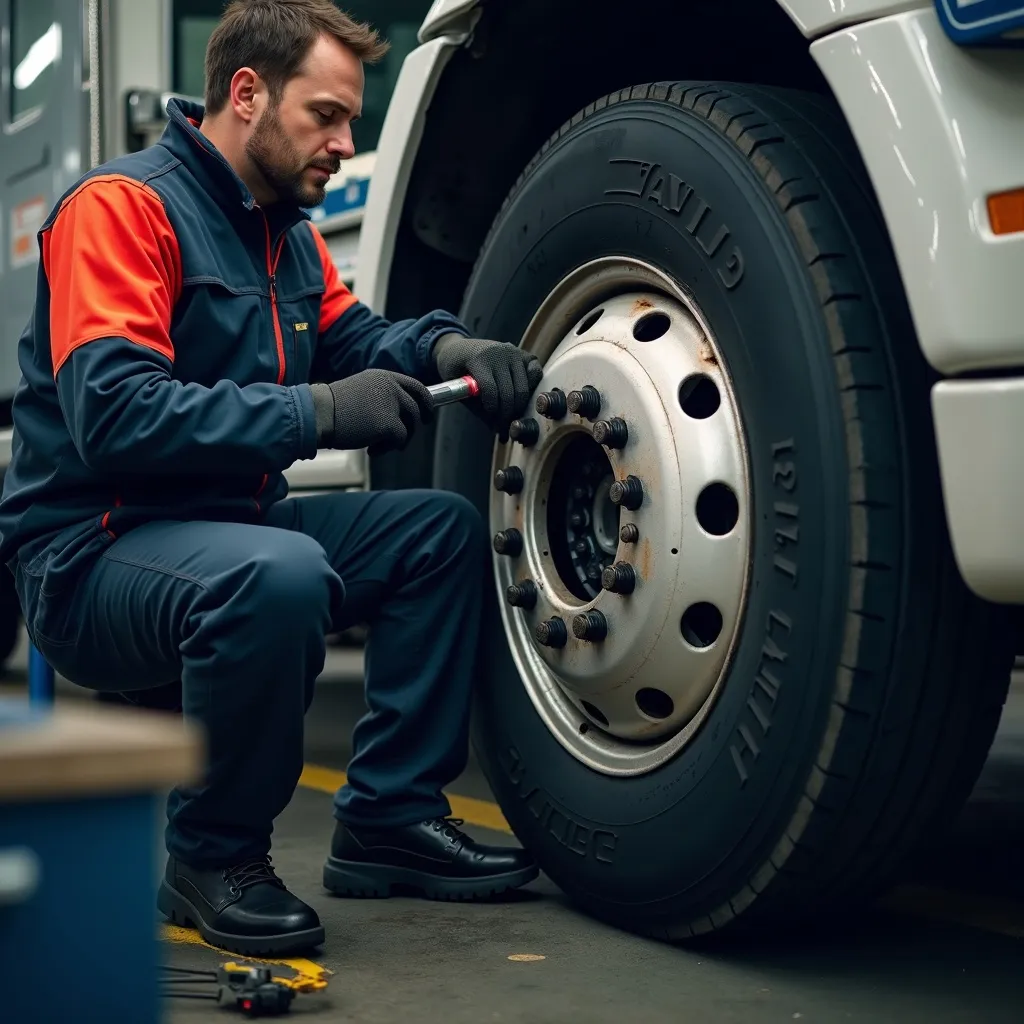
Shared Challenges That Lead in Downtime
Downtime in semi trucks commonly results from several common issues that can disrupt operations. One prevalent factor is engine breakdown, which can develop from insufficient upkeep or oil concerns. Gearbox issues also frequently occur, resulting in shifts that are rough or delayed, and in extreme situations, complete breakdowns. Additionally, tire wear and failure can stem from improper inflation or misalignment, posing safety risks and operational delays. Electrical component failures, such as battery failure or defective wiring, can strand drivers immobilized. Brake component problems, such as worn pads or fluid loss, are essential to fix promptly due to their impact on safety and compliance. Furthermore, fuel system complications, such as blocked filters or injector malfunctions, can hinder performance. Each of these issues can greatly affect a truck fleet's efficiency, leading to lost time and higher expenses if not resolved quickly and effectively.
Why Prompt Repairs Are Necessary for Your Bottom Line
Prompt repairs are essential for maintaining a trucking operation's profitability. When a semi truck is out of working order, money is lost with each hour it remains unused. Quick repairs minimize downtime, permitting drivers to return to their routes and satisfy delivery schedules. This operational success not only safeguards the reliance of clients but also enhances the company's name in a challenging market.
Also, speedy fixes can avert more costly, significant complications from arising. Handling small issues rapidly helps sustain the overall health of the fleet, lowering extended repair expenses. Fleet operators who prioritize speedy maintenance often observe that their operational expenses lower, generating improved profit margins.
Finally, immediate fixes are not simply a comfort; they are a strategic necessity. By ensuring that vehicles stay roadworthy without unnecessary delays, trucking companies can sustain their bottom line and maintain their edge in an industry where time is money.
Top Approaches to Enhance Your Truck Service Workflow
Streamlining the truck repair process requires a deliberate methodology that emphasizes productivity and structure. One effective strategy is to establish a thorough inventory management system. By maintaining an accurate inventory of parts and tools, repair shops can decrease wait times for required parts. Another essential strategy is standardizing repair procedures. Establishing clear protocols for routine maintenance can improve workflow go to article and reduce the risk of errors.
Furthermore, investing in training for technicians ensures they have proficiency in the latest repair methods and tools, resulting in quicker turnaround times. Employing diagnostic tools can also speed up the troubleshooting process by identifying issues more accurately. Finally, clear dialogue between drivers and repair teams is essential; real-time updates about vehicle status can help prioritize repairs based on urgency. By combining these approaches, truck repair processes can become more optimized, ultimately generating reduced downtime and increased operational efficiency.
How to Choose the Top Repair Provider for Your Trucks
How might fleet managers confirm they select the most trustworthy maintenance company for their commercial units? Initially, they should review the service provider's reputation by seeking reviews and testimonials from other truck companies. A excellent track record in timely repairs and client fulfillment is paramount. Afterward, consider the qualifications of the repair specialists. Authorized technicians with focused preparation in semi truck repairs assure high-quality service.
Furthermore, examine the variety of offerings offered. A comprehensive repair shop can handle multiple problems, from routine maintenance to complex repairs, reducing idle time. It's also important to inquire about guarantees covering parts and labor, which can indicate the shop's commitment to quality.
Ultimately, evaluate the location and availability of the service. A neighboring shop that delivers 24/7 service can substantially minimize wait times and keep trucks on the road. By utilizing these guidelines, fleet managers can make educated decisions that strengthen operational efficiency.
Preventive Service Tips to Lower Breakdowns
Essential upkeep is vital for reducing semi truck breakdowns and maintaining fleet dependability. Scheduled assessments should be conducted to inspect critical parts including brakes, tires, and fluid levels. Monitoring tire pressure and tread wear can stop tire ruptures and boost fuel efficiency.
Furthermore, routine oil changes and filter replacements are crucial for engine performance. Maintaining a clean air filter promotes optimal airflow, improving fuel economy.
Drivers should also be trained to perform pre-trip inspections, checking for any abnormalities that could lead to issues on the road. Keeping up with manufacturer-suggested service schedules helps identify possible issues before they worsen.
Ultimately, recording all maintenance tasks forms a trustworthy documentation that assists in anticipating future demands and detecting patterns. By executing these preventive approaches, fleet operators can substantially lower the risk of unforeseen failures, guaranteeing that trucks stay functional and efficient.
Use Innovative Tools to Strengthen Repair Efficiency
Adopting technology can substantially increase the operational speed of semi truck servicing. Advanced testing systems enable mechanics to rapidly detect issues, decreasing the time spent troubleshooting. Software solutions can optimize supply organization, guaranteeing that necessary parts are easily accessible, thereby reducing delays.
Telematics systems present real-time data on vehicle performance, allowing proactive maintenance and timely repairs. By assessing this intelligence, fleet managers can sequence repairs based on priority and operational effect.
Additionally, mobile repair units supplied with technology provide field repairs, lowering downtime related to transporting trucks to repair shops. Immersive VR and augmented reality can also support training mechanics, boosting their skills without risking costly errors.
Questions Customers Frequently Have
How Often Should I Book Maintenance for My Semi Truck?
A semi truck should undergo maintenance every 10,000 to 15,000 miles, or every six months, whichever comes first. Regular checks on critical systems guarantee optimal operation and safety for long-distance operations.
Which Implements Are Important for Basic Truck Service?
Necessary implements for truck repairs that are basic in nature consist of a socket set, wrenches, pliers, screwdrivers, tire pressure gauge, hammer, and a jack. Moreover, acquiring a multimeter and basic diagnostic tools can substantially assist in troubleshooting issues.
How can I find a mobile repair shop?
To identify a mobile repair service, one can browse online directories, examine client testimonials, and request recommendations from fellow truck drivers. Additionally, local trucking associations may supply reliable service contacts in the area.
Which Warranties Are Usually Provided for Truck Service?
Typically, warranties on truck maintenance span 30 days to one year, including parts and labor. Some providers may offer extended warranties, guaranteeing long-term reliability and customer satisfaction, based on the specific service work and service provider.
How Do I Handle Repair Costs With My Insurance?
To handle damage expenses with insurance, one should examine the policy for specific coverage details, inform the insurer quickly about the claim request, and maintain comprehensive documentation of costs and correspondence for a easier claims submission.